
 The FBI recently reported on arrests of a number of lottery scammers in what they call “Operation Hard Copy.” We do like to report when cyber-criminals are arrested, prosecuted, and jailed, because it shows that stopping cyber-crime is not impossible. But it is almost always a multi-national, multi-jurisdictional undertaking that requires the cooperative efforts of law enforcement from several countries.
What I found most interesting was the way that this scam ...
Continue Reading →
23
DEC
DEC
0
Share
 If Santa brings you a bunch of new electronic toys for Christmas, take an extra moment to secure them properly. Many new devices will work fine straight out of the box, but this usually means they are set up with very insecure manufacturer defaults. Here are our tips:
 This actually is in the “good news” department. The some security folks at Facebook are scouring the Dark Web, looking for rainbow tables of user names and passwords in order to find Facebook users who may be reusing the same password on multiple sites. As we have discussed here many times, password reuse creates a serious security vulnerability. If the cyber-crooks have your password for one site, they will try it on ...
 There is a lot of talk in the cybersecurity world about Industrial Control Systems (ICS) and Supervisory Control And Data Acquisition (SCADA) systems that run the US power grid, water utilities, gas piplines, oil refineries, and countless factories. We discussed how all this might play out in the electrical grid when I reviewed Ted Koppel’s new book
  One of the hardest types of phishing emails to defend against are those that come from the email account of a friend or trusted business associate, such as your dentist, lawyer, realtor. The sender’s email address is not spoofed, because the malefactor has tricked them into providing their email address password. The bad guys are actually logged into your friend’s email account, and now they are trying to do the same thing to ...
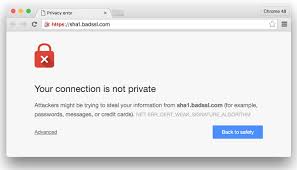 SHA-1 or Secure Hashing Algorithm 1 was developed in 1993 by the National Security Agency (NSA). It has been used to provide both hashing functions and digital signatures that validate that a certain document, web site, or other resource is genuine, original, and unchanged.
 On Monday we attacked the utility of current password policies and standards. Today we will offer up an array of improvements.