
 I am a firm believer in, and user of two-factor authentication (TFA or 2FA). Heck, if there was three-factor authentication I would probably sign up. The two most popular authenticator apps are Authy and Google Authenticator. I primarily use Google Authenticator wherever I can. I use SMS when Authenticator isn’t an option, or won’t work. I had trouble, for instance, getting Facebook to work and ...
24
AUG
AUG
0
Share
 Bruce Schneier had an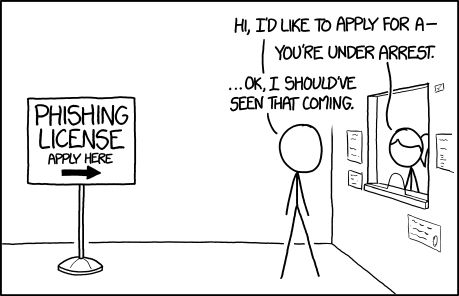
 You have trained your staff and improved your defenses. In spite of your best efforts, you have an active case of crypto-malware running on a system in your business. How do you recover?
 Encryption ransomware can be a devastating event if it happens to your or your company. The three solutions are basically pay the money, restore from backup, or accept your losses and move on. All are expensive, and some can be severe enough to drive a business out-of-business.Monday we gave you several ways to prevent, or at least prepare a response to a crypto-ransomware exploit. Today we are going to look at ...
 This week we will be focusing on preventing, detecting, and recovering from the many variants of the crypto-ransomware exploit. Ransomware attacks, such as CryptoLocker, CyrptoWall, Locky, Chimera, Zepto, and the like, have become one of the best money-making exploits for cyber-criminals, with new variants appearing on the scene every month. These attacks usually start with a phishing email and a ZIP file attachment or a malicious link, so email vigilance can ...
 I am a regular listener and fan of Joe Soucheray’s
  I will be a featured presenter at the MN Blogger Conference, on Saturday October 15, at Concordia University in St.Paul, from 8:15 am to 5:15 pm. Tickets are $20.
 Actually there are way more than ten ways, but here are some I see all the time. We can play this like a game, so go ahead and give yourself a point for each one of these that apply to you. This game scores like golf – low score wins.
 Should you hire a hacker? Recently, the US Department of Defense did just that in their